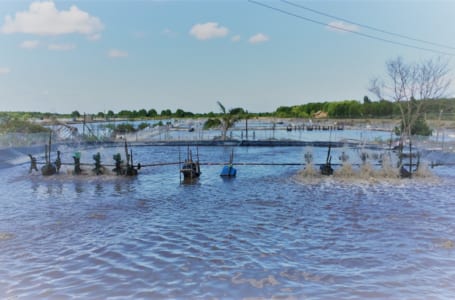
Những lưu ý khi nuôi tôm lót bạt nền đáy để nâng cao hiệu quả
- Strategic predictions and kalshi betting empower savvy political observers today
- Understanding the Mechanics of Kalshi Markets
- The Role of Information and Analysis
- Kalshi vs. Traditional Prediction Markets
- Risk Management and Responsible Trading on Kalshi
- The Future of Event Prediction and Kalshi's Role
- Expanding Applications Beyond Political and Economic Forecasts
Strategic predictions and kalshi betting empower savvy political observers today
The world of political and event prediction is rapidly evolving, and a new player is making waves: kalshi betting. This innovative platform allows individuals to trade contracts based on the outcome of future events, from election results to economic indicators. It's a fascinating intersection of financial markets and predictive analysis, offering a unique way to engage with current events and potentially profit from accurate forecasting. Unlike traditional sports betting, Kalshi focuses on events with definitive outcomes, minimizing the role of chance and emphasizing informed decision-making.
For those interested in political trends, economic forecasts, or simply understanding how collective intelligence can predict the future, Kalshi presents an intriguing opportunity. The platform allows users to buy and sell contracts representing “yes” or “no” answers to specific questions. The price of these contracts fluctuates based on the perceived probability of the event occurring, creating a dynamic market where information and insights are constantly reflected. This isn't simply gambling; it’s a real-world application of prediction markets, used by economists and analysts to gauge public sentiment and forecast future occurrences.
Understanding the Mechanics of Kalshi Markets
At its core, Kalshi operates on the principles of supply and demand. When more people believe an event will happen, the price of the “yes” contract increases. Conversely, if sentiment shifts towards a lower probability, the price drops. This dynamic pricing mechanism allows traders to express their beliefs and potentially profit from discrepancies between their predictions and the market consensus. A key aspect of Kalshi is the settlement process. When the event occurs, contracts are settled at $1.00 for the winning side and $0.00 for the losing side. This straightforward settlement ensures transparency and accountability, reinforcing trust in the system. The platform uses a designated market maker (DMM) to ensure liquidity and maintain orderly trading.
Navigating the Kalshi interface requires a basic understanding of market orders and limit orders. Market orders execute trades immediately at the best available price, while limit orders allow traders to specify a desired price. Choosing the right order type depends on your trading strategy and risk tolerance. It's also important to understand the concept of margin. Kalshi requires traders to deposit margin, which acts as collateral to cover potential losses. Proper risk management, therefore, is paramount. The platform offers educational resources to help new users grasp these concepts, but a solid foundation in financial markets is a significant advantage.
The Role of Information and Analysis
Successful Kalshi trading isn't about lucky guesses; it's about informed analysis and diligent research. Staying up-to-date on current events, following relevant news sources, and understanding the underlying factors that could influence an outcome are crucial. This can involve examining polling data, economic indicators, and geopolitical developments. Furthermore, understanding the biases inherent in news reporting and public opinion is important. A nuanced perspective allows traders to identify undervalued or overvalued contracts, creating potential trading opportunities. Utilizing quantitative analysis and statistical modeling can also provide a competitive edge.
Access to real-time data and analytical tools is also essential. Kalshi provides historical market data, allowing traders to analyze past performance and identify trends. External data sources, such as polling aggregators and economic forecasting websites, can supplement this information. The ability to interpret this data effectively and translate it into actionable trading decisions is what separates successful traders from the rest. It's a constant learning process, requiring adaptability and a willingness to refine your strategies based on new information.
Kalshi vs. Traditional Prediction Markets
While Kalshi isn't the first prediction market, it distinguishes itself from earlier iterations in several key ways. Traditional prediction markets, such as those run by universities or research institutions, often faced regulatory hurdles and limited accessibility. Kalshi, operating under a regulatory framework, offers a more accessible and liquid market for a broader range of participants. The platform’s user-friendly interface and mobile app make it easy for anyone to participate, regardless of their prior trading experience. Furthermore, Kalshi's focus on events with definitive outcomes minimizes ambiguity and simplifies the settlement process.
Another significant difference lies in the trading fees and contract sizes. Kalshi's fees are relatively low, and contracts are available in small denominations, making it affordable for individuals to participate. Traditional prediction markets often had higher fees and larger contract sizes, limiting access to those with substantial capital. This democratization of prediction markets is one of Kalshi's core tenets. They allow a greater diversity of opinions and insights to be reflected in the market prices, potentially leading to more accurate predictions. The platform also provides a greater level of transparency regarding trading activity and market manipulation.
- Liquidity: Kalshi generally offers higher liquidity compared to smaller, less established prediction markets.
- Regulation: Kalshi operates under a regulated framework, offering greater investor protection.
- Accessibility: The platform's user-friendly interface and mobile app make it accessible to a wider audience.
- Contract Sizes: Kalshi offers smaller contract sizes, allowing for more granular trading.
- Fees: Kalshi’s trading fees are competitive and relatively low.
- Transparency: Kalshi provides greater transparency regarding market activity.
The increased accessibility and liquidity that Kalshi offers are attracting a growing number of participants, further enhancing the accuracy and efficiency of the prediction markets. This growth is also fostering innovation in the field, as traders develop new strategies and analytical tools to exploit market inefficiencies.
Risk Management and Responsible Trading on Kalshi
Like any financial market, kalshi betting involves risk. It's crucial to approach trading with a well-defined risk management strategy. One fundamental principle is to only invest what you can afford to lose. Never risk more capital than you are comfortable potentially losing entirely. Diversification is another essential component of risk management. Spreading your investments across multiple events and markets can reduce your exposure to any single outcome. Setting stop-loss orders is a proactive way to limit potential losses. A stop-loss order automatically closes your position when the price reaches a predetermined level.
Understanding leverage is also vital. While leverage can amplify potential profits, it also amplifies potential losses. Using excessive leverage can quickly deplete your account. It’s important to carefully assess your risk tolerance and adjust your leverage accordingly. Furthermore, avoid emotional trading. Making impulsive decisions based on fear or greed can lead to disastrous results. Stick to your trading plan and avoid chasing losses. Continuous learning and adaptation are also key. The market is constantly evolving, and successful traders are those who can adapt their strategies to changing conditions.
- Define your risk tolerance: Determine how much capital you are willing to risk on each trade.
- Diversify your portfolio: Spread your investments across multiple markets and events.
- Use stop-loss orders: Limit potential losses by automatically closing positions at a predetermined price.
- Avoid excessive leverage: Leverage can magnify both profits and losses.
- Control your emotions: Avoid impulsive decisions based on fear or greed.
- Continuously learn and adapt: Stay informed and refine your trading strategies.
Responsible trading also includes understanding the potential psychological biases that can influence your decision-making, such as confirmation bias and overconfidence bias. Being aware of these biases can help you make more rational and objective trading decisions.
The Future of Event Prediction and Kalshi's Role
The demand for accurate event prediction is only expected to grow in the coming years, driven by the increasing complexity of the world and the growing need for informed decision-making. From predicting political outcomes to forecasting economic trends, the ability to accurately anticipate future events is becoming increasingly valuable. Kalshi is poised to play a significant role in this evolving landscape. The platform's innovative approach to prediction markets, coupled with its regulatory compliance and accessibility, positions it as a leading player in the industry. As the platform expands its offering and attracts more participants, it has the potential to become a valuable source of information and insight for individuals, businesses, and governments alike.
We could see further integration of Kalshi’s data with other analytical tools and platforms. Imagine analysts using Kalshi’s market prices as inputs into their own forecasting models, creating a virtuous cycle of improved prediction accuracy. The platform could also expand its focus to include more niche events and markets, catering to specialized interests and providing even more granular prediction opportunities. The development of new contract types, such as those based on complex algorithms or machine learning models, could also enhance the platform's capabilities. The future of event prediction is undoubtedly exciting and Kalshi is at the forefront of this burgeoning field.
Expanding Applications Beyond Political and Economic Forecasts
While currently popular for political and economic predictions, the applications of a platform like Kalshi extend far beyond these domains. Consider the potential for predicting scientific breakthroughs. Contracts could be created based on the likelihood of a new drug receiving FDA approval within a specific timeframe, or the success of a particular clinical trial. This could provide an early indicator of potential advancements and attract investment in promising research. Similarly, in the realm of climate change, contracts could be designed around specific environmental milestones, such as the reduction of carbon emissions or the achievement of renewable energy targets.
Another promising area is the prediction of disruptive technologies. Contracts could be created based on the market adoption rate of new technologies, such as artificial intelligence or blockchain. This could provide valuable insights for businesses looking to invest in emerging trends or for investors seeking to identify promising startups. The key lies in identifying events with clear and verifiable outcomes, allowing for objective settlement of the contracts. As the platform matures and gains wider acceptance, we can expect to see a diversification of the types of events traded on Kalshi, unlocking even more potential for leveraging the wisdom of the crowd and improving our understanding of the future.
| Political Events | Election outcomes, policy changes, legislative decisions |
| Economic Indicators | GDP growth, inflation rates, unemployment figures |
| Scientific Breakthroughs | Drug approvals, clinical trial successes, research funding |
| Climate Change | Carbon emission reductions, renewable energy targets, extreme weather events |